Short answer: do you need a multivitamin?
Most adults who eat a varied diet do not need a multivitamin — it is a nutritional top-up rather than a necessity. It makes sense when your diet is monotonous, your energy expenditure is high or your eating is restrictive, and in that case you should pick a product that suits your sex, training load and budget.
- Athletes and active people: if needed, choose a sports product with a broader formula, but it does not replace food and does not improve training results by itself.
- Women and men: sex-specific products differ mainly in the emphasis of the formula; extra iron is mainly for those who have a reason to take it.
- Budget-friendly start: OstroVit VIT&MIN FORTE 90 tablets or Olimp Vita-Min ONE 60 capsules. Both are simple everyday options.
This is general information, not medical advice — talk to a doctor or pharmacist before use, especially if you are pregnant, breastfeeding, taking medication or have a chronic condition.
In stock now: Multivitamin

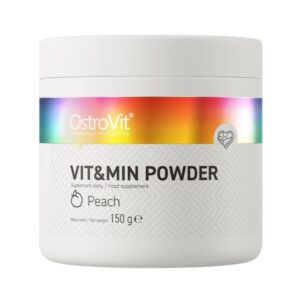

A multivitamin is a combined food supplement that contains several vitamins and usually minerals in a single daily dose. Shop shelves carry dozens of variants, and every pack promises something slightly different. This guide explains whether you really need a multivitamin, what to base your choice on and how products for athletes, women and men differ.
What is a multivitamin and do you need one?
A multivitamin usually combines vitamins A, C, D, E, K and the B vitamins with minerals such as zinc, selenium or magnesium. In ordinary everyday products the amounts are often close to the daily reference intake, while in sports products they can be considerably higher. Some products also add amino acids, antioxidants or digestive enzymes.
Honestly, the evidence in healthy adults who eat a varied diet is limited: in large observational and intervention studies, the effect of multivitamins on long-term health outcomes has been small or inconsistent. They can, however, be useful when food does not cover everything. Typical situations include:
- A restrictive or low-calorie diet — if you eat little, the amount of micronutrients falls too.
- Vegetarian and vegan diets — vitamin B12 occurs almost only in animal foods, so a vegan needs it from fortified foods or a supplement.
- Heavy training and a hectic lifestyle — your nutrition often ends up incomplete when you are rushing.
- Dark winters — in Estonia the skin does not make enough vitamin D from autumn to spring, and the amount from food is usually small; the vitamin D in a multivitamin can also be low, so check the label.
If you suspect a specific deficiency (fatigue, paleness, frequent infections), have a blood test first and talk to a doctor. A multivitamin does not replace a diagnosis or medical care, and when a deficiency is confirmed, a doctor will often choose a targeted supplement rather than a general combination.
How to choose a multivitamin
The brand says little; what matters more is the dose, the number of tablets per day and whether the formula suits your situation. The table below helps you tell the types apart.
| Type | Who it suits | Advantages | What to watch |
|---|---|---|---|
| Simple everyday (1 capsule or tablet) | Most adults, beginners | Convenient, little risk of mixing up doses | The amount of some nutrients may be low |
| Sports multivitamin (several tablets a day) | Active and training people | Broader formula, often with added amino acids and antioxidants | More expensive; check the total daily amount of vitamins |
| Made for women | Active women | Formula adapted to women’s needs | If planning a pregnancy, ask for advice, because the formula must be suitable |
| Made for men | Active men | Formula adapted to men’s needs | Check whether the product contains iron; men rarely need extra iron |
| Multivitamin with iron | People with a proven need for iron | Iron contributes to normal oxygen transport and energy metabolism | Excess iron is harmful; men and post-menopausal women rarely need extra iron |
Three practical rules: choose a product where the fat-soluble vitamins (A, D, E, K) and minerals such as iron, zinc and selenium stay close to 100 percent of the nutrient reference value (NRV), not several times above it; read the label to see how many tablets a day are intended; and do not add other vitamin and mineral products until you have added up your total intake.
Athlete, woman or man — what differs?
For athletes it matters that micronutrients are covered even when energy expenditure and sweating are high. A sports product with a broader formula is one option, but a multivitamin does not replace enough protein, sleep and recovery. B vitamins and magnesium contribute to normal energy metabolism, and magnesium also to normal muscle function; the evidence that an extra dose improves performance when there is no deficiency is still limited.
Women of childbearing age need more iron than men because of menstruation, and women planning a pregnancy are advised to take a separate folic acid supplement. A multivitamin made for women can therefore be a reasonable starting point, but check the formula on the label, and if you are planning a pregnancy or are pregnant, ask a doctor or midwife first.
Men usually need less iron, and excess iron accumulates in the body, so there is no point in taking a product with iron if there is no reason for it. When choosing a product made for men, check on the label whether it contains iron and, where possible, prefer a version with a small amount or none.
Who should avoid a multivitamin, and what to watch for
- Pregnant and breastfeeding women — choose only a product recommended by a doctor or midwife, because some vitamins (such as A) must not exceed the permitted amount.
- People taking medication — vitamin K can affect the action of warfarin-type blood thinners, and calcium, iron and magnesium affect the absorption of some medicines (for example thyroid hormone and antibiotics). Ask a pharmacist for advice.
- Those who already take other supplements — add up all sources, especially the fat-soluble vitamins A, D, E and K, which build up in the body.
- People with iron overload (for example haemochromatosis) — products containing iron are not suitable without a doctor’s approval.
- Children and teenagers — adult multivitamins are not intended for them.
How to take a multivitamin
Take a multivitamin with food, preferably with a meal that contains some fat, because the fat-soluble vitamins (A, D, E, K) are then absorbed better. On an empty stomach it can cause nausea in some people. Pick a fixed time of day — breakfast is the easiest for most — and do not exceed the daily dose stated on the pack.
After a month or two of use, ask yourself honestly: has my diet improved in the meantime, and do I still need this? You do not have to take a multivitamin for years on end; for some people it suits a course, for example in the autumn-winter period or during an intensive training block. A supplement does not replace a varied diet.
Our recommendations — multivitamins from the Omegafit range
Below is a selection ranging from budget-friendly everyday products to ones made for women and men, plus a more extensive product for athletes. Choose the one that fits your needs and your diet, not the one with the longest list of active ingredients.
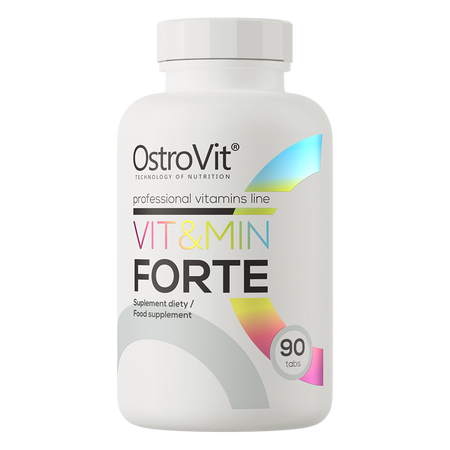
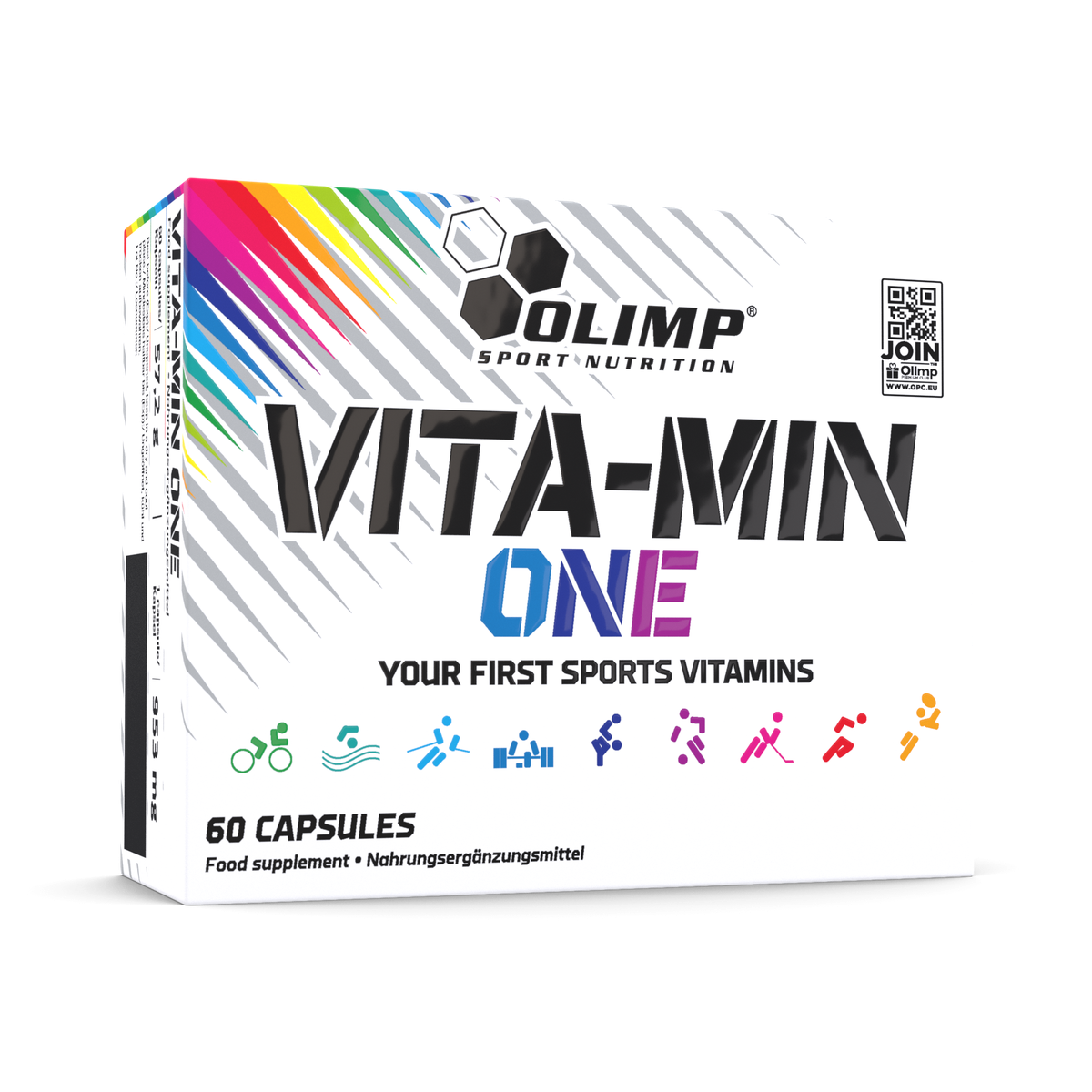
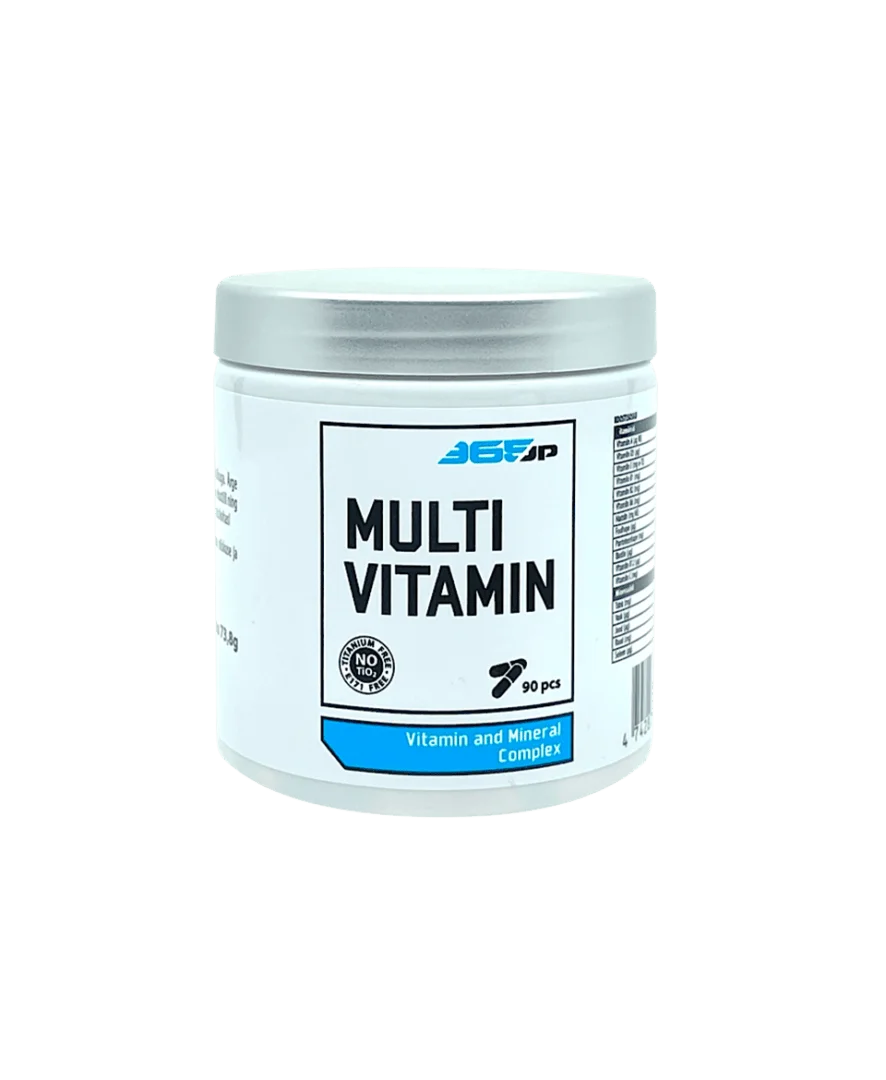
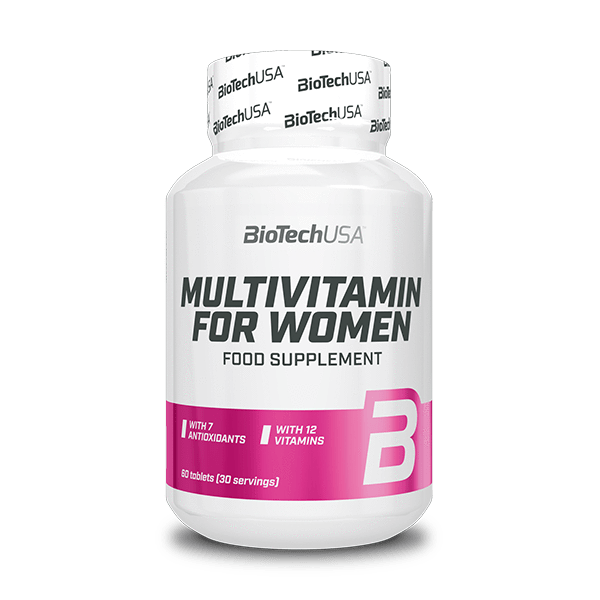
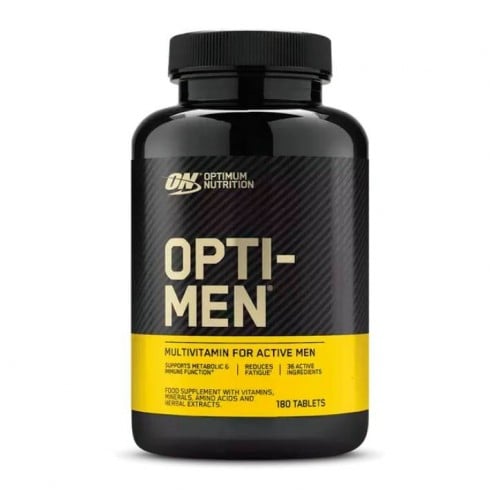

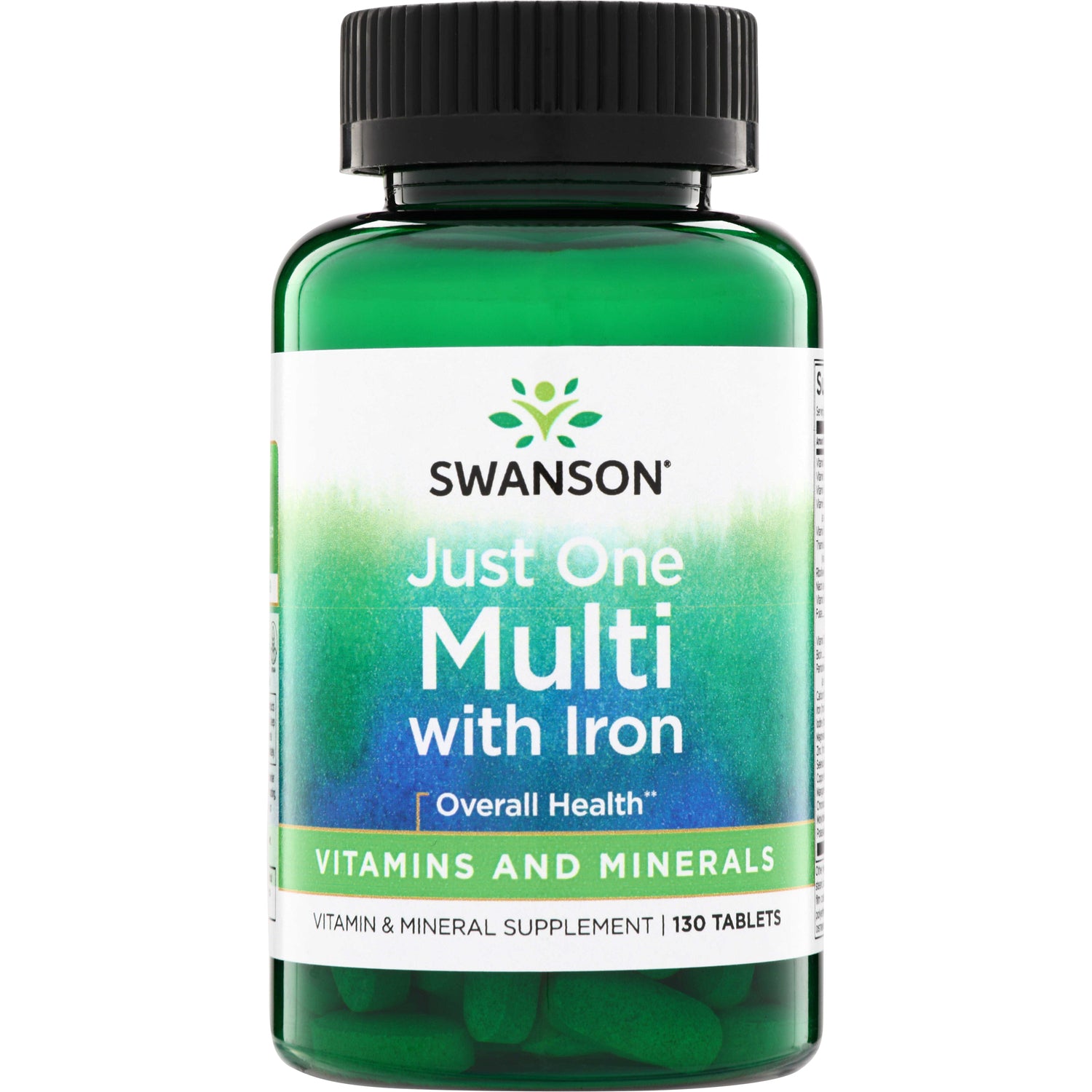
How to choose: if you want a simple, budget-friendly option, start with OstroVit VIT&MIN FORTE 90 tablets or Olimp Vita-Min ONE. A product made for women is BioTechUSA multivitamin for women. For men and athletes, Opti-Men offers a more extensive option, and if you want the widest possible formula in one pack, take a look at Animal Pak; it has a very extensive formula, so check the vitamin and mineral amounts on the label and do not add other similar products alongside it. Swanson Multi with Iron is intended only for cases where a doctor or a blood test has established a need for iron.
Frequently asked questions
Do I need to take a multivitamin every day?
Not necessarily. If your diet is varied, a daily multivitamin is not required. If you decide to take one, follow the dose stated on the pack and take it regularly only if you have a reason to do so.
Does an athlete need a different multivitamin?
Not necessarily. An active person may have a higher micronutrient need, and sports multivitamins often contain a broader formula, but the evidence that a multivitamin improves performance is limited. Do not expect miracles.
Does a multivitamin help with weight loss or building muscle?
No. A multivitamin does not burn fat or build muscle. Results come from nutrition, training and sleep; a multivitamin can only help to cover micronutrients.
When during the day should I take a multivitamin?
It suits breakfast or lunch, preferably with food that contains fat. Some people feel more alert when they take it in the evening; if that happens to you, take it in the morning instead.
Can I take a multivitamin together with other supplements?
Often yes, but add up the vitamin and mineral amounts from all the products. Pay particular attention to the fat-soluble vitamins, iron and zinc, so that the daily total does not exceed the permitted upper limit.
What is the difference between a multivitamin for women and one for men?
Mainly the emphasis of the formula: products made for women may contain more iron, while products made for men usually contain less or none at all. The exact formula differs from product to product, so read the label; these are general supplements and do not replace a doctor’s advice.
When is it worth stopping a multivitamin?
If you experience nausea, stomach pain, a skin rash or another unpleasant reaction, stop taking it and talk to a doctor. The same applies if you find out you are pregnant or when you start a new medication.