Short answer: do you need a mass gainer, and how do you choose one?
A mass gainer is a convenient way to add calories to your day, but it is not a magic muscle powder. Gaining muscle requires a steady energy surplus, enough protein and regular strength training. A gainer simply helps you create that surplus if you fill up quickly on ordinary food.
- Who it suits: people who eat too little and cannot reach the calories they need from ordinary food. If you already eat enough, you do not need a gainer.
- How to choose: check the share of protein and carbohydrates on the label and the calories per serving. A ready-made blend is the simplest option; mixing your own gives you more precise control over the dose.
- Our recommendation: as a ready-made option, Mutant Mass – 2270 g; for mixing your own, OstroVit Maltodextrin 1000 g together with your own protein powder.
This is general information, not medical advice. If you have a chronic condition (for example diabetes or kidney disease), are pregnant or breastfeeding, talk to your doctor before changing your diet.
In stock now: Mass Gain
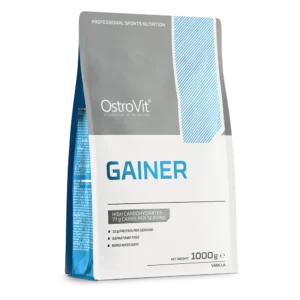
OstroVit Gainer 1000G
DISCOUNT PRODUCTS12,90 €7,90 € Select options This product has multiple variants. The options may be chosen on the product page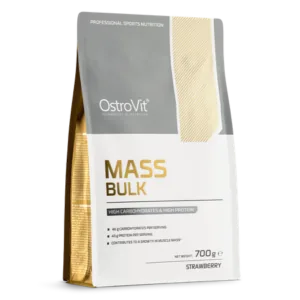
OstroVit Mass Gainer 700G
Dietary supplements 14,90 € Select options This product has multiple variants. The options may be chosen on the product page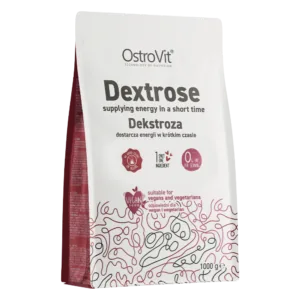
A mass gainer is a powder that gives you a large amount of carbohydrates, and usually a moderate amount of protein, in a single shake. It is meant for people who find it hard to gain weight because they cannot eat enough. This guide explains how a gainer works, when it makes sense and when it does not, what to look for when choosing one, and how to get the same result by mixing your own.
What is a mass gainer and how does it work?
A mass gainer (also called a weight gainer) is a powder designed to help you gain body weight. Most of it is carbohydrate, with some protein and sometimes creatine, vitamins or amino acids. It is not comparable to a plain protein powder: protein powder mainly provides protein, while a gainer mainly provides energy.
Gaining muscle requires you to take in more energy per day than you burn. In practice, a small surplus of roughly 250-500 kcal a day is considered sensible for building muscle. A larger surplus does not build muscle faster, but it does add more body fat. Protein contributes to the growth and maintenance of muscle mass, but without an energy surplus and training, protein alone is not enough.
The most important point: a mass gainer does nothing that ordinary food cannot do. It is simply a liquid, compact source of calories. There is no evidence that a ready-made gainer gives better results than the same number of calories from regular food.
Who is a mass gainer for, and who should not use one?
A mass gainer makes sense if you genuinely eat little and your weight does not move even though you train consistently. Typical situations:
- a trainee with a fast metabolism and a small appetite who feels full after three large meals;
- a busy working day where the food you need simply does not get eaten;
- no appetite for a big meal after training, although a drink goes down easily;
- a beginner who wants to gain weight and has a clear meal plan and regular training.
Who should not use a mass gainer?
- People who already eat enough – the extra calories will mostly turn into fat.
- People whose goal is to lose weight – a gainer is a product for the opposite goal.
- People with diabetes or blood sugar problems – a carbohydrate-rich shake raises blood sugar quickly, so talk to your doctor first.
- People with kidney disease – talk to your doctor before using a protein-rich supplement.
- Minors – a growing young person usually does well with proper food; talk to a parent and a doctor before using a supplement.
How to choose a mass gainer
Do not choose by the promise on the package. Check four things on the label: serving size, kcal per serving, protein per serving and the source of the carbohydrates. In ready-made gainers the share of protein is usually lower than in a protein powder, so a gainer does not replace a protein powder – always compare serving with serving. Also check the label for allergens: protein and gainer blends often contain milk protein and sometimes soy or gluten.
| Form | What it is | Suits you if | Downside |
|---|---|---|---|
| Ready-made gainer | A blend of carbohydrates and protein in one pack (for example Mutant Mass, OstroVit Gainer) | you want the simplest solution: just water or milk and a shaker | the composition is fixed, so you cannot change the ratio of protein to carbohydrates |
| Protein and carbohydrate blend | OstroVit Mass Gainer 700G combines whey protein, milk proteins and egg white protein with carbohydrates | you want a more varied protein source | check the exact composition on the label |
| Bundle | MASS GAINER BASIC and MASS GAINER PRO combine several products in one purchase | you want a complete starter package straight away | the most expensive option, and you may not need every part |
| Pure carbohydrate | Maltodextrin or dextrose powder | you want to dose it yourself and already use a protein powder | needs mixing and your own protein source |
| Rice cereal | Cream of Rice, served as a warm or cold porridge | you prefer food to a drink and want something lighter on the stomach | less convenient to carry around |
Practical advice: if you are a beginner and simply want more calories, start with a ready-made gainer and see over two weeks whether your weight moves in the direction you want. If it does not change, increase the serving or add more regular food. If your weight rises too quickly, reduce it.
How to use a mass gainer
- Dose: follow the serving size given on the package. One serving a day is usually enough; add a second only if your weight does not move.
- Timing: the best time is whenever it suits you. Some people drink a shake between meals, others after training.
- Liquid: milk gives you more calories and protein; water gives you a lighter and cheaper shake.
- Tracking your weight: weigh yourself once a week at the same time. A gain of roughly 0.25-0.5 % of body weight per week is usually considered sensible when building muscle; with faster gains, most of the extra weight is likely to be fat.
- Training: strength training without a shake provides the stimulus for muscle growth; a shake without training gives you only weight.
Studies suggest that a suitable protein intake for a trainee building muscle is around 1.6-2.2 g per kilogram of body weight per day. It should come from ordinary food and, if needed, a protein powder, not from a gainer alone. For a healthy adult this amount is usually not a problem, but if you have kidney disease, speak to your doctor first.
How to mix your own mass gainer
When you mix it yourself, you control how much protein and how much carbohydrate goes into the shake. The principle is simple: take a protein powder and add a source of carbohydrate, and if you like some fat (peanut butter, olive oil) and cold milk.
- Maltodextrin: OstroVit Maltodextrin contains 94 g of carbohydrates per 100 g, and a 50 g serving contains 47 g of carbohydrates. It is usually less sweet than dextrose, so it suits adding a larger amount of calories without a very sweet taste.
- Dextrose: OstroVit Dextrose contains 91 g of carbohydrates per 100 g and the serving size is 50 g. Dextrose is sweeter and is absorbed quickly; some people prefer it after training.
- Cream of Rice: rice cereal provides carbohydrates as food and suits vegans. Some people find it easier than a shake when they cannot drink any more liquid.
Example mix: 300-400 ml of milk, 1 serving of your own protein powder, 50 g of maltodextrin, one banana and a heaped spoonful of peanut butter. Carbohydrates are counted at about 4 kcal per gram, so one 50 g serving of maltodextrin provides roughly 190 kcal. Compare these numbers with your own surplus target and adjust.
Caution: fast carbohydrates (maltodextrin, dextrose) raise blood sugar quickly, and frequent exposure to a sugary drink is hard on tooth enamel, so rinse your mouth with water after drinking and do not sip the shake slowly through the day. If you have diabetes or blood sugar problems, talk to your doctor first.
Our recommendations: mass gainers and carbohydrates
Here is a selection to help you decide, depending on whether you want a ready-made blend, a bundle or to mix your own.

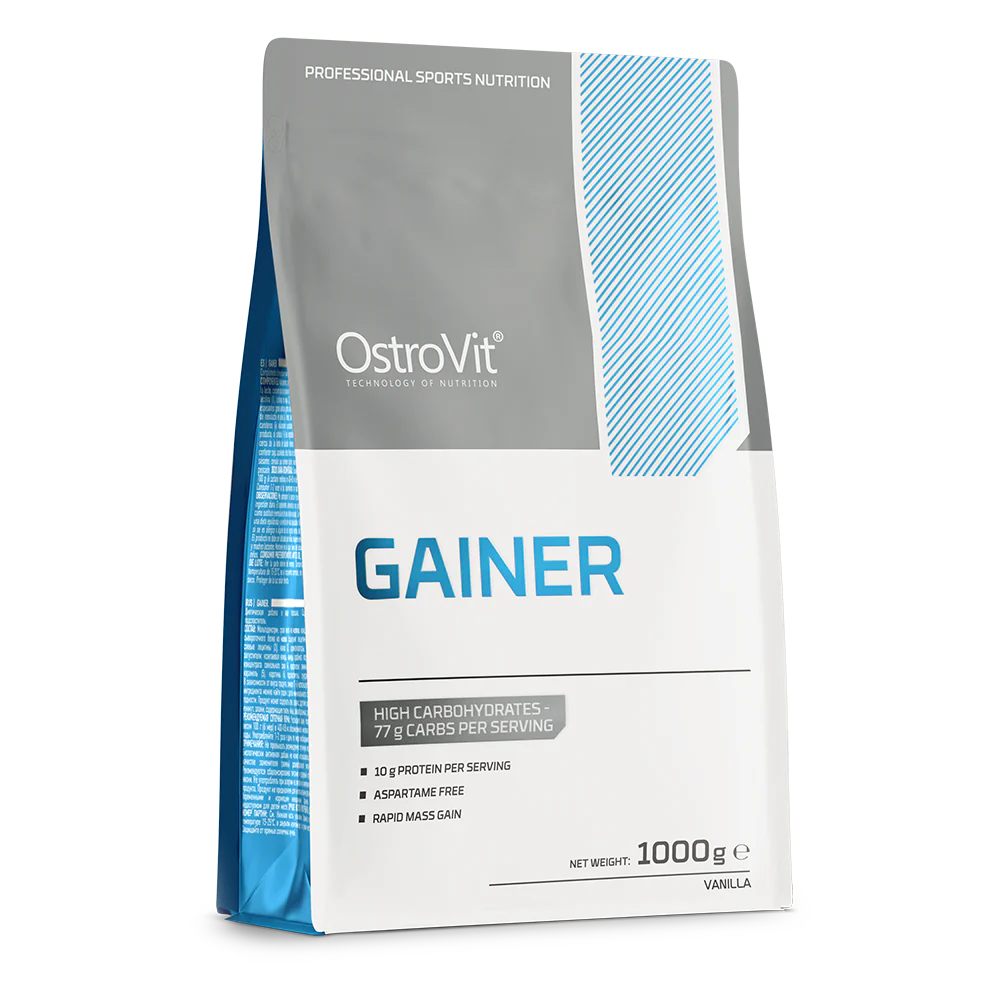
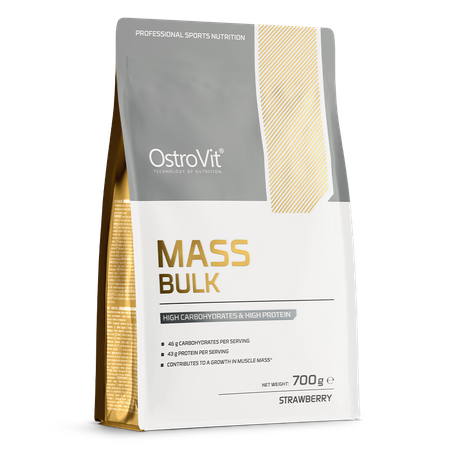


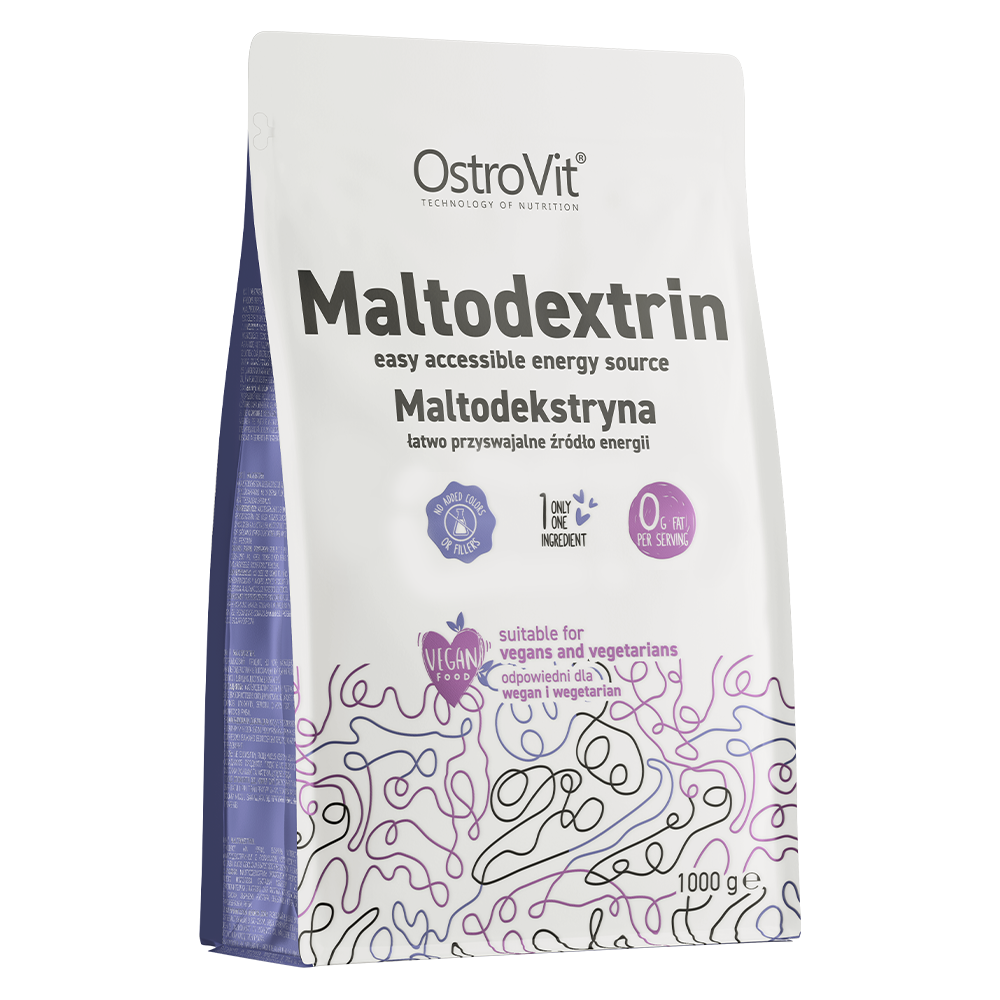
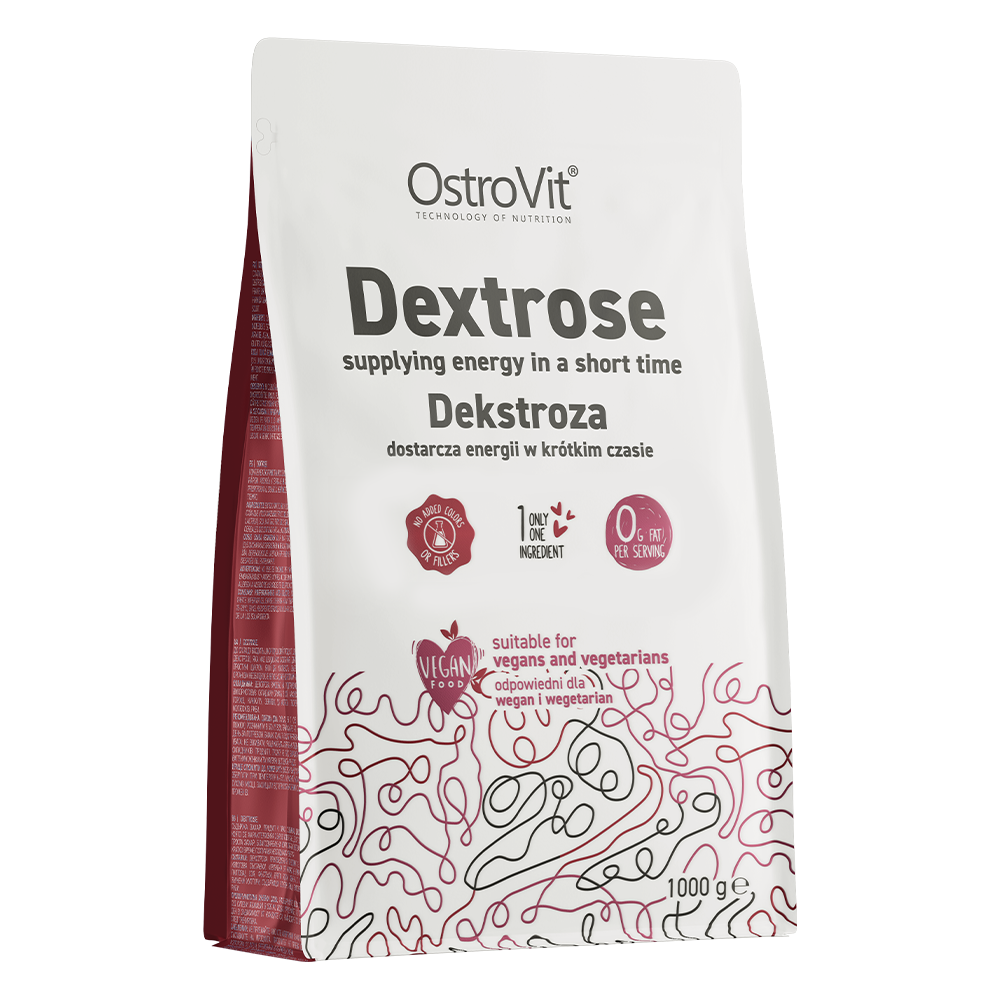
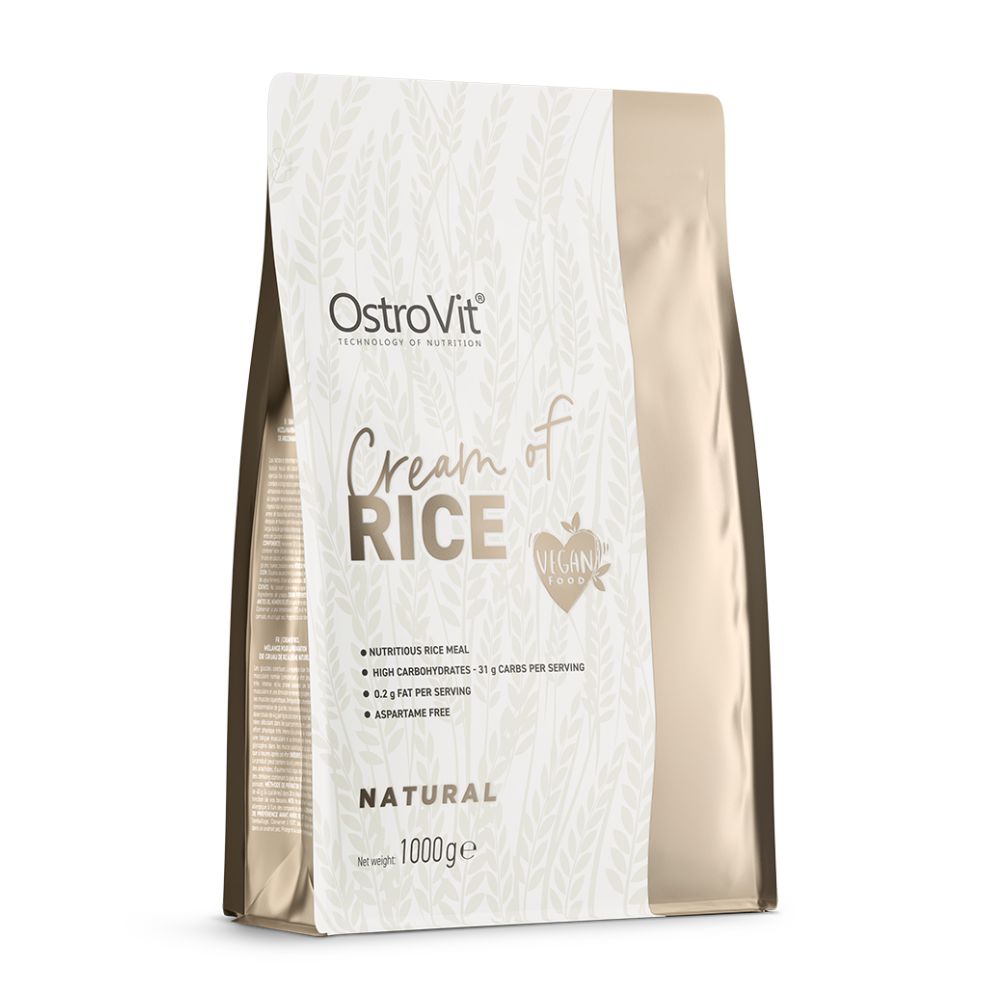
Among the ready-made blends, Mutant Mass and OstroVit Gainer are the simplest start, and OstroVit Mass Gainer 700G suits you if you want protein from several sources. Of the bundles, MASS GAINER BASIC adds creatine and glutamine alongside the gainer, and MASS GAINER PRO adds bulk powder, EAA and an amino recovery drink; take either only if every part genuinely suits you. If you are completely new, start with a single ready-made gainer. If you already know how much protein you get from food, mixing your own is more flexible, because you set the protein and carbohydrate shares yourself.
Frequently asked questions
Is a mass gainer better than protein powder?
They do different jobs. Protein powder helps cover your protein needs; a mass gainer adds energy. If you get enough protein from ordinary food but fall short on calories, a gainer or a carbohydrate powder is the more logical choice. If your calories are fine but protein falls short, a protein powder is enough.
How much mass gainer should I take per day?
Start with one serving a day, as stated on the package. Check your weight over two weeks. If it does not move, add a small amount or more regular food; if it rises faster than 0.5 % per week, reduce it.
Will a gainer make me fat?
A gainer provides calories, so if your energy surplus is too large, part of it will be stored as fat. The surplus always comes from your whole day of eating, not from the shake alone. For muscle growth, a small and controlled surplus combined with training makes more sense.
What is the difference between maltodextrin and dextrose?
Both are fast carbohydrates. Dextrose is glucose and tastes sweet; maltodextrin has longer chains and a more neutral taste. In practice, people choose whichever tastes better and sits well in the stomach; no clear difference for muscle growth has been shown.
Can Cream of Rice replace a mass gainer?
Yes, if you prefer food to a drink. It is a source of carbohydrates, not protein, so you need to pair it with a protein powder, milk or another protein-rich food.
Are creatine and glutamine necessary in a gainer?
They are not essential. The evidence for creatine is good: 3 g a day helps adults increase physical performance in repeated short, high-intensity efforts. For glutamine, the evidence of benefit in strength athletes is limited, so do not buy it just because it is on the label.
When should I see a doctor?
If you are persistently underweight, losing weight without a reason or have digestive problems, talk to your doctor before you start trying supplements. Difficulty gaining weight is not always just a nutrition question.