Short answer: which form of electrolytes suits training and hot weather?
For most people, plain water and a varied diet are enough. An electrolyte supplement makes sense for long or intense training, heavy sweating and hot weather, and then a powder or tablet that contains sodium suits best. Potassium citrate and magnesium-potassium combinations are more of an add-on than a replacement for a drink.
- Up to an hour of training in a moderately warm room: water and ordinary food cover the need, so a supplement is not needed.
- Over an hour, hot conditions or very heavy sweating: choose a powder or tablet with sodium on the label; an isotonic powder adds carbohydrates as well.
- Where to start: OstroVit Aqua Kick Electrolyte 300g as a powder or OstroVit Electrolyte 90 tablets for something portable; check the sodium amount on the label before buying.
- Potassium on its own: only if your diet provides little of it, and not without talking to a doctor if you take heart or blood pressure medication or have kidney problems.
This is general information, not medical advice. Talk to a doctor or pharmacist before use, especially if you are pregnant or breastfeeding, take medication or have a chronic health condition.
In stock now: Magnesium

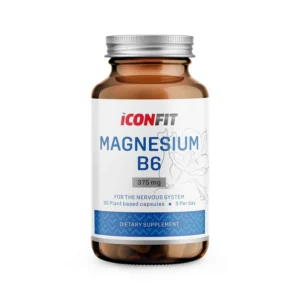

Electrolytes are minerals dissolved in body fluids that help maintain fluid balance and support nerve and muscle function. On the shelf you will find them as powders, tablets, capsules, effervescent tablets and as separate potassium citrate. In this guide we explain when electrolytes are really useful for training and hot weather, how the forms differ and how to choose the one that suits you.
What are electrolytes and when do you actually need them?
The main electrolytes are sodium, potassium, magnesium, calcium and chloride. When you sweat, the body loses water and minerals, most of all sodium. Sweat sodium content varies widely from person to person, typically around 0.5–1.5 g per litre, and sweat rate can range from under half a litre to over two litres per hour. Much less potassium is lost in sweat than sodium, and even less magnesium.
To be honest: most gym-goers do not need a separate electrolyte supplement. An hour of strength training indoors loses few minerals, and ordinary food and water cover it. A supplement starts to make sense when:
- training lasts more than an hour or is very intense (running, cycling, CrossFit, competition);
- you train in a hot or humid room, or outdoors in summer;
- you sweat heavily and notice white salt marks on your clothes;
- you sweat a lot in hot weather or in the sauna;
- you drink a lot of plain water during a long effort: too much can dilute blood sodium, which is why a drink that contains sodium is the better choice.
The evidence looks like this: studies suggest that a drink containing sodium and carbohydrates may help water absorb better and help retain fluid during prolonged exertion. For short workouts the benefit of a supplement is limited and does not go beyond plain water.
Forms compared: powder, tablets, effervescent tablets, citrate and isotonic drink
The form determines how convenient the supplement is and what it actually provides. The table below helps you tell them apart.
| Form | What it provides | Suits | Downside |
|---|---|---|---|
| Electrolyte powder | Several minerals dissolved in a drink; the dose can be adjusted | Long workouts, hot weather, sipping while exercising | Needs mixing in a bottle; check the label for sweeteners |
| Tablets and capsules | Compact, no preparation needed | Travel, competition, gym bag | The amount of minerals per serving can differ; check the label for how many tablets make one serving |
| Magnesium + potassium (effervescent tablet) | Magnesium and potassium together, dissolves in water | An add-on when the diet is low in magnesium and potassium | Not a sodium source; does not replace the sodium lost in sweat |
| Potassium citrate | A pure potassium source in powder form | When the diet is low in potassium | Contains no sodium; too much potassium is not safe for everyone |
| Isotonic drink powder | Electrolytes and carbohydrates together; this product also contains BCAA, L-carnitine and glutamine | Long workouts where you also need energy | Contains calories and carbohydrates; not meant for everyday drinking |
The most important selection criterion is sodium. If your goal is to replace what you lose in sweat, check whether the label lists sodium. A product containing only potassium or magnesium solves a different problem: these minerals contribute to normal muscle function and nervous system function, but they do not replace the sodium that is lost most in sweat.
Potassium citrate: when does it make sense at all?
Potassium contributes to normal muscle function, normal functioning of the nervous system and the maintenance of normal blood pressure. According to EFSA, the adequate intake for adults is roughly 3,500 mg a day, and most people get it from food: one medium banana contains roughly 350–450 mg. For example, OstroVit Potassium Citrate 200 g – lemon and lime provides 303 mg of potassium in one 1.55 g serving, which is about a tenth of the daily need. So citrate makes sense mainly when the diet is low in potassium (little fruit, vegetables, legumes or potatoes); otherwise it is not needed.
Who are electrolytes for, and who should avoid them?
Suitable for:
- endurance athletes and anyone whose training lasts more than an hour;
- people who train in the heat or high humidity, and those who sweat a lot;
- people who sweat heavily and want to replace the minerals lost in sweat;
- people who train a lot and eat few mineral-rich foods.
Take care or ask a doctor first:
- Kidney problems: the kidneys regulate how potassium leaves the body, so a potassium supplement can be harmful.
- Heart and blood pressure medication (for example ACE inhibitors, angiotensin receptor blockers, potassium-sparing diuretics): these can raise potassium levels, so a supplement needs a doctor’s approval.
- High blood pressure or a salt restriction: products that contain sodium may not suit you.
- Pregnancy and breastfeeding: talk to a doctor before use.
- Sensitivity to sweeteners: several products contain sweeteners, so check the ingredients.
If you suspect a serious mineral deficiency (persistent muscle weakness, palpitations, severe cramps, dizziness), see a doctor and have a blood test done. A supplement is not a substitute for a diagnosis.
How to use electrolytes
- Follow the serving on the label. More is not better: a large amount of minerals can cause stomach upset, and too much potassium is dangerous, especially for people with kidney disease.
- Powder: mix it in a bottle and drink in small sips during training rather than all at once.
- Tablets and capsules: follow the label directions (usually with water); they are convenient when travelling and at competitions.
- Effervescent tablets: dissolve in water and wait until the fizzing stops.
- Isotonic drink: use it mainly in long workouts where you also need energy. For a short workout it is usually unnecessary. Added amino acids are not needed for the electrolytes themselves.
- Do not combine several products containing the same mineral. For example, potassium citrate and a magnesium-potassium combination together add up to a potassium amount that may exceed what you need.
- Drink to thirst and take your sweating into account. Forcing fluids beyond thirst does not improve performance and may dilute sodium.
Magnesium has its own forms and its own considerations; here we concentrate on sodium, potassium and drink powders.
Our recommendations: electrolytes for training and hot weather
The Omegafit range includes electrolyte products in all the forms mentioned above. Here are our recommendations according to what you need:
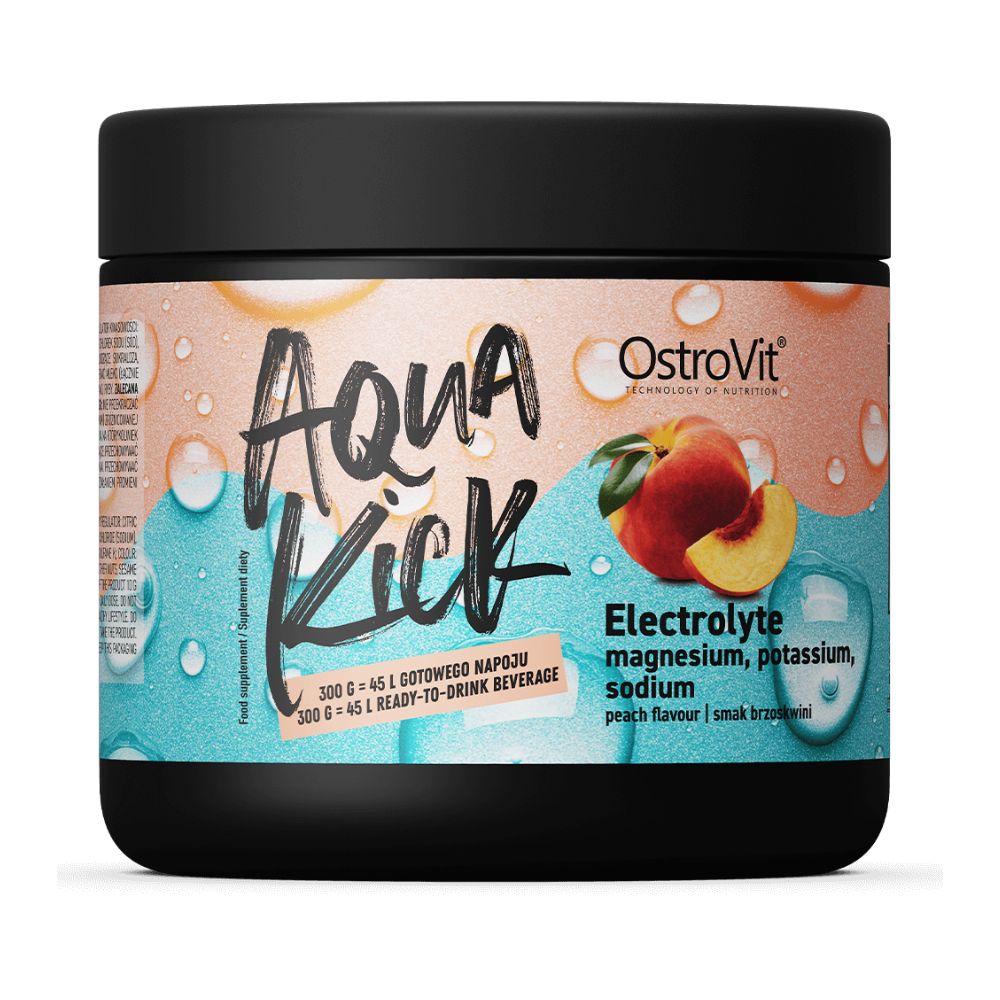
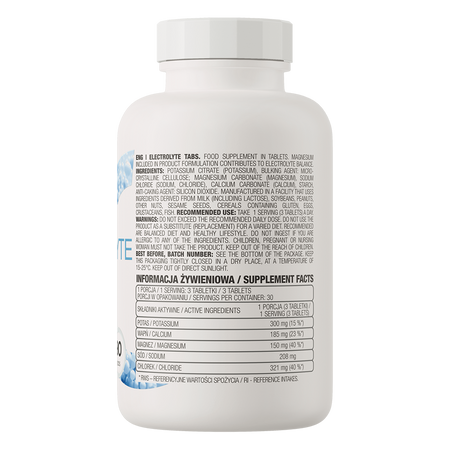
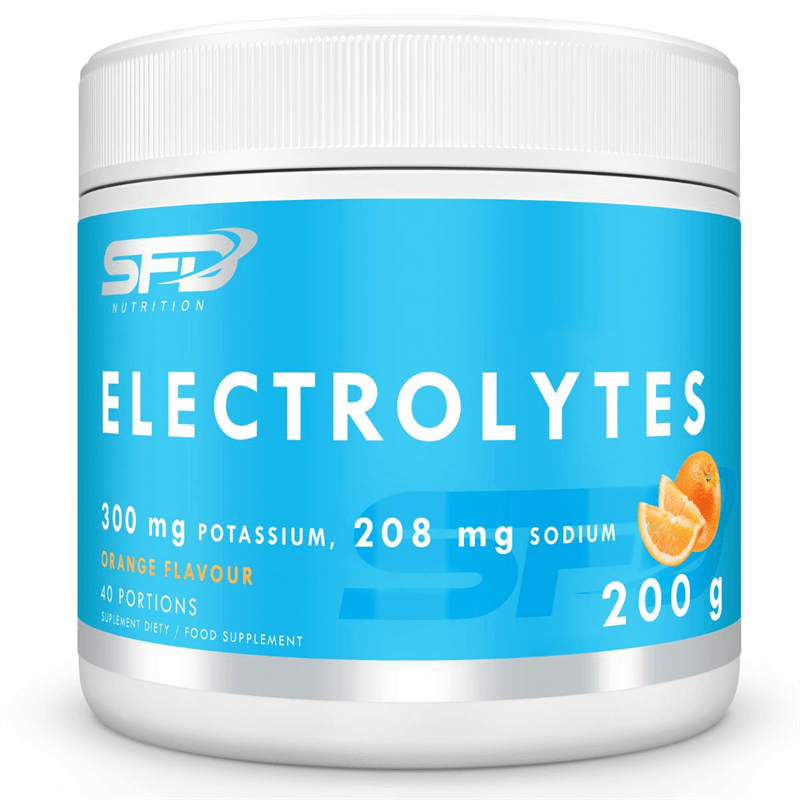
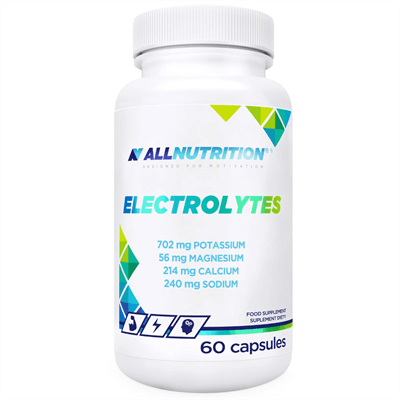
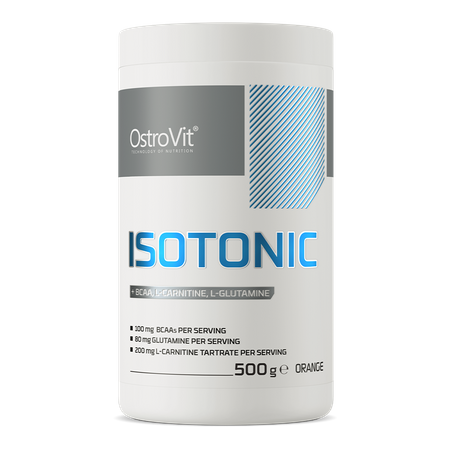
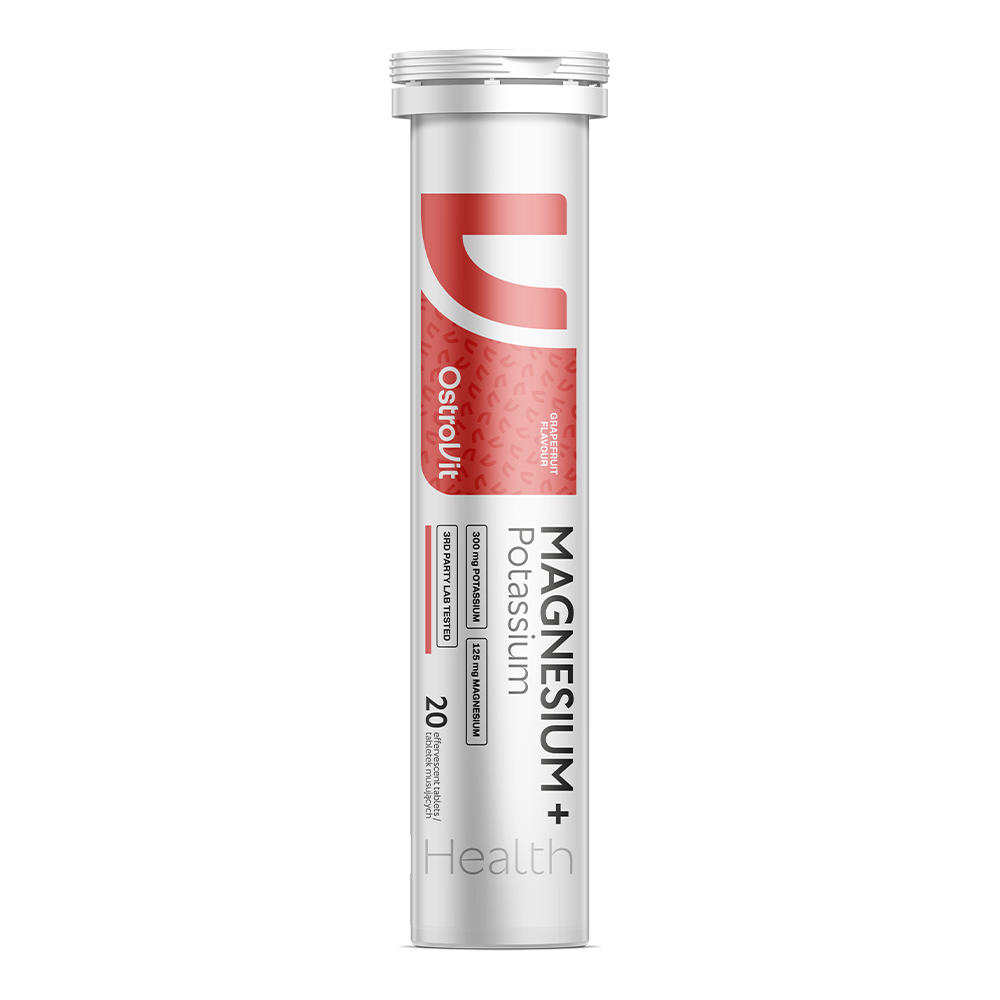
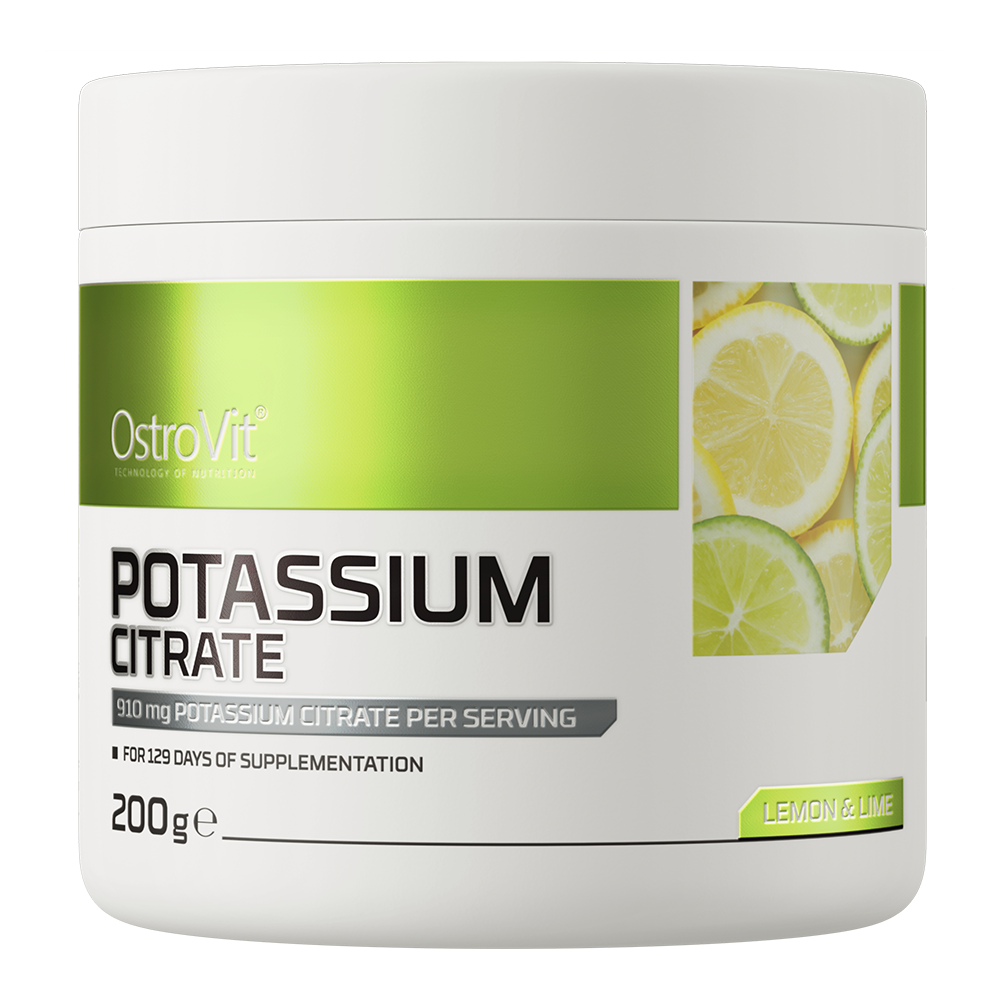
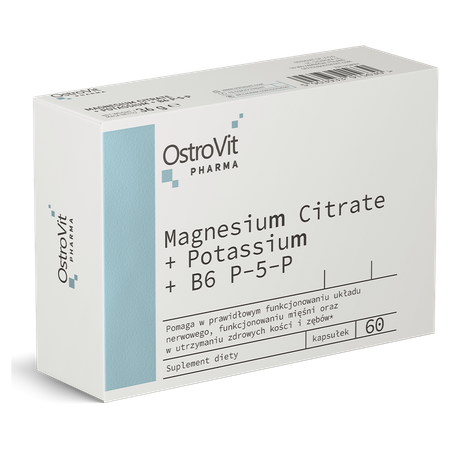
How to choose: if you train for a long time or in the heat and want to replace what you lose in sweat, choose a powder or tablet (for example Aqua Kick, SFD or OstroVit Electrolyte) and check the label for sodium. If you need energy as well, choose an isotonic powder. Potassium citrate and the magnesium and potassium products work as an add-on when your diet provides little of these minerals. Before buying, check the label for the amount of sodium, potassium and magnesium per serving.
Frequently asked questions
Do I need electrolytes at all?
In most cases, no. Ordinary food and water cover the need when training lasts under an hour and the room is moderately warm. A supplement makes sense for long or intense workouts, hot weather and heavy sweating.
What is the difference between tablets and powder?
You can dissolve powder in a drink and dose it according to how much you sweat, while tablets are more portable. The amount of minerals per serving differs between tablets and powders, so always check the label for how many tablets make one serving.
Is potassium citrate better than ordinary electrolytes?
They serve different purposes. Potassium citrate is only a potassium source and does not replace the sodium lost in sweat. If your diet is low in potassium it can be a sensible add-on, but if you have lost a lot of fluid through sweat, you are more likely to need a product that contains sodium.
Can I take electrolytes every day?
If you follow the serving on the label and have no kidney or blood pressure problems, you can use them for a limited time, for example in a hot spell or on long training days. Constant supplementation without a need makes little sense. If you intend to use them regularly or take medication, ask a doctor first.
Do electrolytes help with muscle cramps?
The evidence is limited. Cramps have many causes (fatigue, training intensity, dehydration), and the effect of an electrolyte supplement on cramps has not been firmly established. Potassium and magnesium contribute to normal muscle function, but if cramps keep coming back, see a doctor.
Is an isotonic drink suitable for everyday drinking?
No, it is meant for during training, when the body needs fluid, minerals and carbohydrates. For everyday thirst, water is the right choice.
Can I combine electrolytes and magnesium?
Yes, but make sure you do not get the same mineral from several sources above the amount stated on the label. Before combining, add up the potassium and magnesium amounts on the labels of all your products.