Short answer: which lactose-free protein powder should you choose?
If lactose is what upsets your stomach, the simplest choices are a plant protein (pea protein or a vegan blend) or beef protein. Whey protein isolate or clear whey may also work, but they are not automatically lactose-free. An isolate usually contains far less lactose than a concentrate, but not necessarily none. The ingredient list and nutrition label on the package always give the definitive answer. If you have a milk protein allergy, no whey product is suitable.
- Simplest plant-based option: OstroVit Pea Protein Isolate 480 g is unflavoured and works well in smoothies and porridge.
- Flavoured vegan blend: OstroVit Vegan Protein Blend 700 g – chocolate combines pea, soy and pumpkin protein.
- If you prefer whey: OstroVit 100% Whey Isolate 700G, or as a light, juice-like drink, OstroVit Clear Whey Isolate 400 g – lemonade.
This is general information, not medical advice. If you suspect lactose intolerance or a food allergy, talk to a doctor or a dietitian.
In stock now: Plant protein
Lactose-free protein powder is not the same thing as plant-based protein powder. Lactose is milk sugar, protein is a separate ingredient, and a whey powder can contain more or less lactose depending on how thoroughly the raw material has been processed. In this guide we compare four directions: pea protein and plant blends, whey protein isolate, clear whey and beef protein. The aim is to help you choose by your digestion, budget and training, not just by the claims on the front of the package.
Last updated: October 2026
What does lactose-free protein powder mean?
Lactose is the sugar found in milk. In lactose intolerance the gut does not have enough of the enzyme lactase to break it down, which can lead to bloating, gas or loose stools. This is different from a milk protein allergy, where the immune system reacts to the proteins in milk rather than the sugar. With an allergy a lactose-free label does not help: whey protein is a milk protein.
In practice there are three ways to avoid lactose: choose a protein that does not come from milk (plant proteins, beef protein), choose a whey protein isolate, which usually contains less lactose because of how it is made, or use a powder together with a lactase enzyme. The lactose content stated by the manufacturer is the most reliable figure, so read the label even if a product has suited you before: recipes and batches can change.
Pea protein, isolate, clear whey or beef protein: how to choose?
The table below summarises the main differences. The figures are general and exact values depend on the product, so always check them on the package.
| Type | Lactose | Suitable for | Characteristics |
|---|---|---|---|
| Pea protein isolate | Plant-based, contains no lactose | Vegans, dairy-free diets | Unflavoured, also used in baking; amino acid profile differs from whey |
| Plant protein blend (pea, soy, pumpkin) | Plant-based, contains no lactose | Vegans who want a ready-flavoured powder | Several protein sources complement each other; contains soy |
| Whey protein isolate | Low, but not necessarily zero | People with mild lactose intolerance who want whey | High protein content, little fat and sugar; a milk protein |
| Clear whey isolate | Low, check the label | Those who find a thick shake unappealing | Juice-like, tangy and light drink; a milk protein |
| Beef protein (hydrolysed) | Lactose-free according to the description | Those avoiding milk protein who do not want a plant protein | Not a dairy product; taste and solubility differ from whey |
Pea protein and plant blends
Pea protein is the simplest dairy-free option. It is relatively low in methionine (one of the essential amino acids), which is why many manufacturers mix it with other plant proteins that complete the amino acid profile. Some small studies suggest that, with an adequate dose and resistance training, pea protein can support muscle gain similarly to whey, but the evidence is not as extensive as it is for whey. A practical tip: the amount of protein per serving differs between products, so compare protein per serving, not per package.
Whey protein isolate and clear whey
Whey protein isolate is more processed than a concentrate and usually contains less lactose, fat and sugar. Some people with mild lactose intolerance tolerate it well, but this is individual. Clear whey is a whey isolate made into a light, tangy, transparent powder that you mix with water like lemonade. It suits you if a thick milky shake puts you off and you want a drink closer to lemonade. Both are milk proteins, so they are not suitable for people with a milk allergy.
Beef protein
Beef protein is a dairy-free animal-based option. Hydrolysed protein has been broken down in advance into shorter chains, so it usually dissolves well, but the taste differs from whey and is often less creamy. The amino acid profile and protein content depend on the product, so check the label. It suits you if you want to avoid milk protein but prefer an animal protein to a plant one.
Who is lactose-free protein powder for, and who should avoid it?
Protein powder is simply a convenient way to get protein. Protein contributes to a growth in muscle mass and to the maintenance of muscle mass, but most people do not need a powder if their normal diet provides enough protein. The usual recommendation for adults is about 0.8 g of protein per kilogram of body weight per day; for people who train regularly, a range of 1.4–2.0 g is often cited, but your own need depends on training volume, goals and health.
- Suitable for: people who get stomach problems from milk-based protein powders; vegans and vegetarians; those who find it hard to reach their daily protein target from ordinary food.
- Take care: anyone allergic to soy should avoid the vegan blend; anyone with a milk allergy must not use whey protein, including isolate and clear whey.
- Talk to a doctor first: if a doctor has limited your protein intake because of kidney disease, and during pregnancy or breastfeeding if you are considering a supplement.
- Medication and conditions: if you take medication or have a chronic digestive condition, ask a doctor before adding a new supplement.
How to use lactose-free protein powder
A typical serving is 20–30 g of powder in 200–300 ml of liquid, but the exact amount is stated on the package. If you are only getting to know a new powder, start with half a serving and see how your stomach reacts. A few practical tips:
- Pea protein: blend with a banana, berries or cocoa; the unflavoured powder also works in porridge and pancake batter.
- Vegan blend: shake with water or a plant-based drink; it contains sweetener, so extra sweeteners are usually not needed.
- Clear whey: mix with cold water, not milk; serve chilled.
- Beef protein: mix with water or juice; the taste can be stronger, so try it in a smoothie or in a flavoured version.
You do not have to take protein powder at a particular time. Total daily protein matters more than the time of day; many people simply take it after training for convenience. If you have had problems before, stay with one new product for a few days before trying the next: that way you can tell exactly what upset your stomach.
Our recommendations: lactose-free and plant-based proteins
Our range includes plant-based, whey isolate and beef protein powders. Below is a short overview of what each product offers in your situation.

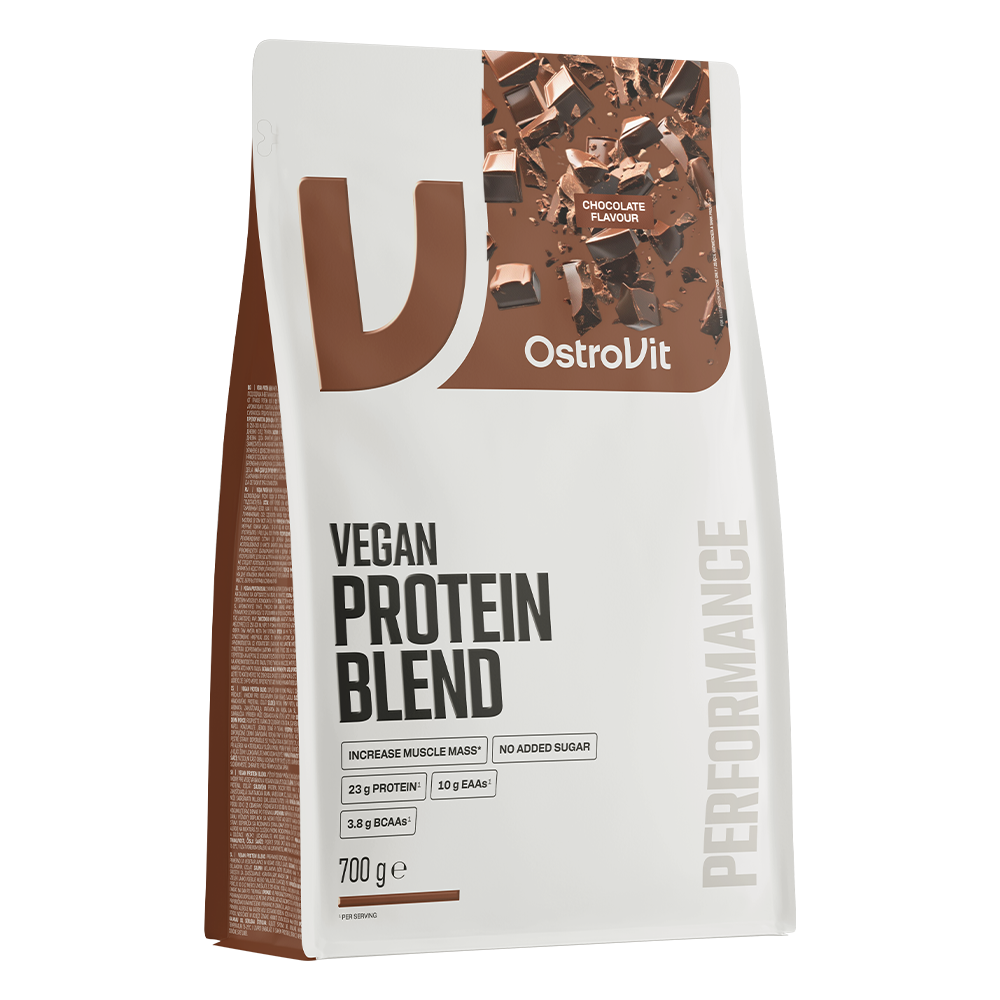
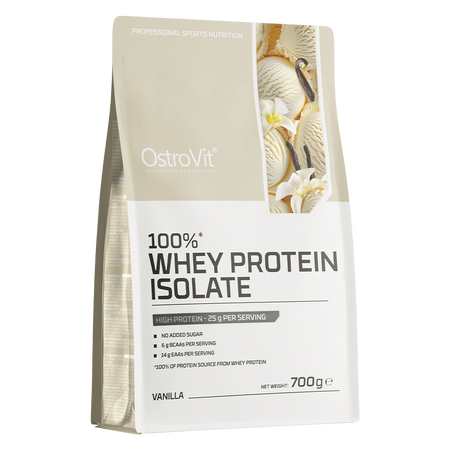
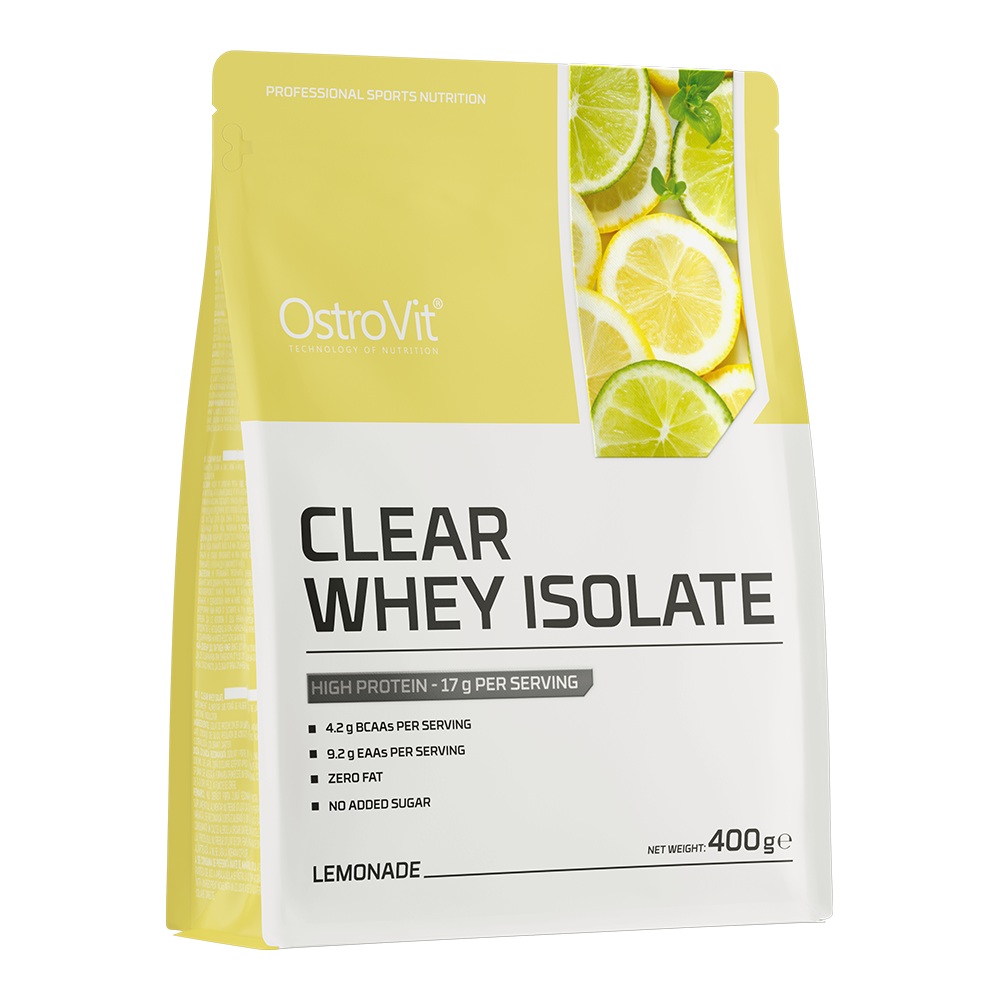
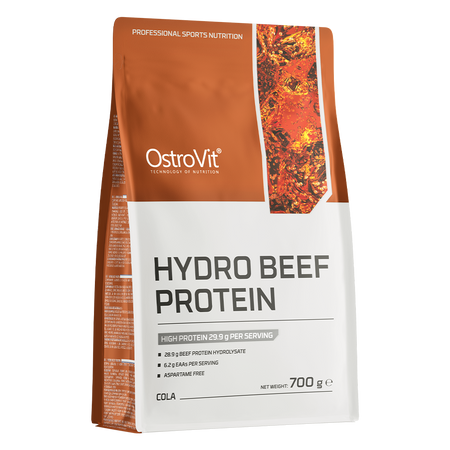
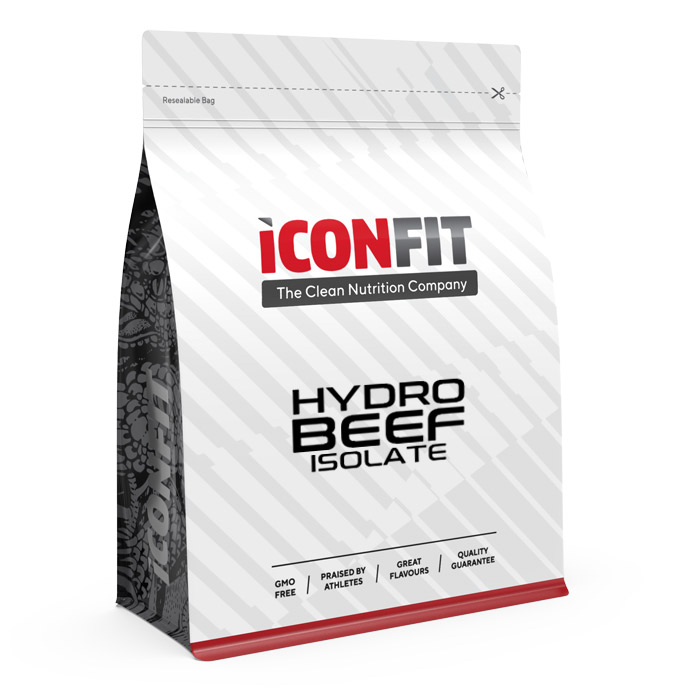
How do you choose between them? If you want the simplest dairy-free powder and want to control the flavour yourself, start with the pea protein isolate. If you want a ready-flavoured chocolate shake, choose the vegan blend. If whey suits you but an ordinary concentrate is too heavy on your stomach, try an isolate or clear whey. If you want a dairy-free product that is not a plant protein, the beef proteins on this list are the option (OstroVit Hydro Beef Protein and ICONFIT HydroBEEF+ Isolate). For the latter, check the lactose content on the label.
Frequently asked questions
Is whey protein isolate lactose-free?
Not always. An isolate usually contains considerably less lactose than a concentrate, but the exact amount depends on the product. The threshold for a lactose-free label is not the same in every country, so the safest approach is to read the ingredients and the nutrition table and, if needed, ask the manufacturer.
Is pea protein as good as whey protein?
Pea protein is a good dairy-free protein source and helps you meet your daily protein need. Its amino acid profile differs from whey and there are fewer studies, but with a sufficient amount and resistance training it suits many people. If you have no lactose problems, whey is the simpler and more thoroughly researched choice.
What is the difference between clear whey and ordinary whey protein?
Clear whey is a whey protein isolate that dissolves in water to a clear drink and tastes more like juice or lemonade than a milk shake. It is lighter and best suited to people who do not like a thick shake. The protein content per serving is usually a little lower, so compare protein per serving.
Is beef protein better than pea protein?
In general neither is better; it depends on your goal. Beef protein is an animal protein and not a dairy product, while pea protein also suits vegans. Choose by taste, price and the way you eat.
Is the vegan blend suitable for people with allergies?
According to its description, OstroVit Vegan Protein Blend contains pea, soy and pumpkin protein, so it is not suitable for someone allergic to soy. Always check the allergen information on the package and whether the product may contain traces of other allergens.
Is protein powder safe if I train only occasionally?
Healthy adults usually have no problems with protein in reasonable amounts, but a powder is only a supplement to food. If you already eat enough protein from ordinary food, you do not need a powder. If you have kidney disease or another chronic health condition, talk to a doctor first.
Do I need lactase alongside the powder?
If you choose a dairy-free protein (pea protein, vegan blend, beef protein), you do not need lactase, because there is no lactose. If you prefer whey and experience shows that a small amount of lactose bothers you, a lactase tablet may help, but it is worth discussing this with a doctor first.